- 2B / BW Shalimar Bagh, Opp. BQ Market, Near DLF Mall New Delhi - 110088, India.
- :+91-9312-871-070

Manufacturers, Exporters, Suppliers of RO Antiscalant Chemicals
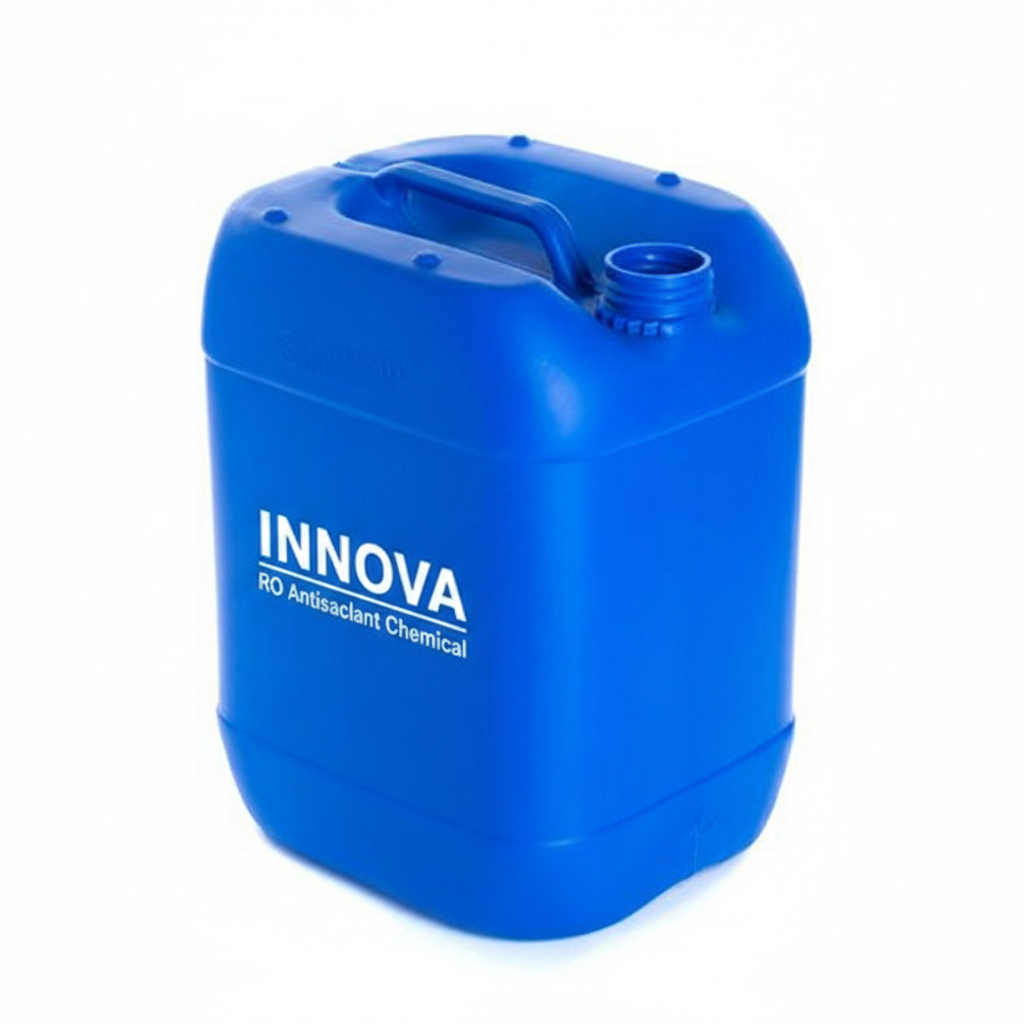
Industrial Grade RO Antiscalant & Antifoulant Chemicals in Malaysia
Malaysia's water chemistry is defined by two forces that most countries do not have to deal with simultaneously. The first is equatorial rainfall — between 2,000 and 4,000 millimetres annually depending on region — which mobilises sediment, organic matter and dissolved minerals into surface water sources on a scale that temperate climates never experience. The second is geology. Tropical peat swamp forests in Sarawak, Pahang, Selangor and Johor contribute very high natural organic matter and dissolved iron to nearby water sources, creating a gel-like co-deposit that standard antiscalants cannot fully address. Together, these forces make Malaysia a uniquely demanding environment for RO membrane protection.
Our high-performance RO antiscalant chemical in Malaysia is engineered for this reality. Innova Corporate (India) manufactures the formulation to inhibit a wide spectrum of scaling minerals — carbonate, sulfate, silica and phosphate scales — while simultaneously dispersing the organic and iron load that characterises peat-affected sources. This dual approach is essential in Malaysia, because treating the mineral scale alone leaves the organic fouling layer untouched, and treating the organic layer alone allows mineral scale to form underneath. The result is stable performance across the full range of Malaysian water sources.
Designed for maximum efficacy at low concentrations, the formulation helps Malaysian businesses maximize water recovery and minimize waste — a priority in a country where water security and discharge regulations have tightened significantly over the past decade. It is the trusted choice for Malaysia's refineries, power plants, semiconductor fabs, palm oil mills and oleochemical plants that demand consistent, reliable protection for their Reverse Osmosis systems. Whether for Reverse Osmosis (RO), Nanofiltration (NF) or Ultrafiltration (UF), the chemistry delivers exceptional results across brackish water treatment, high-recovery industrial processes and specialty filtration.
Semiconductor manufacturing in Kulim, Penang and Johor presents a special case. Ultrapure water systems require antiscalant that leaves no residue, does not interfere with downstream EDI, UV or UF stages, and remains effective at extreme concentration factors. Our ultra-low-residue formulation is engineered for these requirements, with purity documentation and residual analysis available for fab procurement standards. The same chemistry that protects a municipal water plant can be adapted for the most demanding electronics fabrication environment.
Key Features & Strategic Advantages for Malaysia Plants:
- Superior Scale Control: Effectively manages Calcium Carbonate up to LSI +3.0, Calcium Sulfate, Barium Sulfate, Strontium Sulfate and silica across the full saturation range.
- Peatland Organic Dispersion: Specialised dispersants handle humic and fulvic acids from Sarawak, Pahang and Selangor peat sources, preventing gel-like organic-mineral co-deposits.
- Iron and Manganese Sequestration: Advanced control over dissolved iron and manganese oxidation, common in peat-affected and anaerobic groundwater sources.
- Monsoon Variability Tolerance: Maintains performance across the dramatic feedwater composition changes between monsoon and dry season periods.
- Ultra-Low-Residue Grade: Available in semiconductor-compatible formulation for Kulim, Penang and Johor ultrapure water systems.
- Softener Alternative: Delivers excellent results as a low-maintenance replacement for traditional softener filters — eliminating salt consumption and regeneration water.
- Potable Water Certified: Safe for use in systems producing drinking water when dosed at recommended levels, with SPAN and MOH aligned documentation.
- Wide Compatibility: Fully compatible with all leading RO, NF and UF membranes and downstream coagulants.
- Metallic Oxide Tolerance: High tolerance to aluminium and iron oxides, preventing metallic fouling from coagulant residuals and naturally occurring metals.
- Operating Flexibility: Effective over a broad pH range and can be fed neat or diluted up to 10% with RO permeate.
Choosing the Right Formulation for Malaysian Water Sources:
- Peat Swamp Water (Sarawak, Pahang, Selangor, Johor): Very high organic matter with dissolved iron, manganese and low pH. Formulation with enhanced organic dispersion and metal sequestration.
- Coastal Brackish Wells (Johor, Selangor, Penang, Sabah): Elevated sulfate, chloride and magnesium from seawater intrusion. High sulfate tolerance formulation.
- Hard Groundwater (Kedah, Perlis, Perak): High calcium carbonate scaling potential from limestone geology. Standard carbonate-control formulation with high LSI tolerance.
- Monsoon-Affected Surface Water (Kelantan, Terengganu, Pahang east coast): Dramatic seasonal turbidity and organic loading. Formulation with enhanced particulate dispersion and monsoon variability tolerance.
- Semiconductor Ultrapure Water (Kulim, Penang, Johor): Ultra-low-residue grade formulation for high-recovery systems with EDI and UV downstream stages.
- River Water for Palm Oil and Oleochemical Plants: Mixed mineral and organic load with seasonal variability. Balanced formulation with particulate dispersion.
- High-Recovery Industrial Systems: Concentrated formulation that maintains effectiveness as ion concentrations rise sharply through the RO train.
Strategic Benefits Delivered to Malaysian Plants:
Dosing Based on Concentrate, Not Feed: The correct antiscalant dose is calculated by looking at the saturation indices in the concentrate stream, not the feedwater. As water passes through the membrane, dissolved ions concentrate by a factor of three to five times or more depending on recovery. Carbonate, sulfate and silica that are well below saturation in the feed may be far above saturation in the reject. Our technical team models your specific water analysis, recovery rate, temperature and pH, ensuring that no scale species exceeds its critical saturation point anywhere in the system — even during monsoon-driven feedwater composition changes.
Storage & Handling: Store in original containers in a cool, dry place, away from direct sunlight and heat sources. Malaysia's equatorial climate is suitable for storage in shaded warehouses — no cold-weather precautions are needed. Keep containers closed when not in use. Shelf life is 24 months under recommended conditions. For potable water applications, SPAN and Ministry of Health aligned documentation is available on request. For semiconductor applications, additional purity and residue documentation can be prepared for fab procurement requirements.
At Innova Corporate, we offer various specialised types of RO antiscalants tailored to specific water chemistries found across Malaysia. Our technical team can assist you in selecting the precise formulation to ensure your system operates at peak recovery rates with minimal downtime — whether your priority is carbonate control, silica protection, peatland organic dispersion, semiconductor-grade purity or a combined program that addresses the full range of Malaysian water challenges.
Frequently Asked Questions — RO Antiscalant Chemicals in Malaysia
1. Why does Malaysia's equatorial monsoon climate require special RO antiscalant chemistry?
Malaysia receives between 2,000 and 4,000 millimetres of rainfall annually, with two monsoon seasons affecting different parts of the country. This rainfall intensity mobilises sediment, organic matter and dissolved minerals into surface water sources in ways that temperate climates do not experience. During the northeast monsoon, east coast states receive concentrated rainfall that spikes river turbidity. During the southwest monsoon, the west coast sees its own pattern. Antiscalant chemistry must handle feedwater that changes composition dramatically across the year, not just at steady state.
2. How does tropical peatland water in Sarawak and Pahang affect RO membranes?
Peat swamp forests cover significant areas of Sarawak, Pahang, Selangor and Johor. Water draining from these areas carries very high natural organic matter — humic and fulvic acids — along with dissolved iron and manganese and reduced pH. The organic matter co-deposits with mineral scale and creates a gel-like layer that standard antiscalant cannot fully address. The iron oxidises inside the RO train and forms ferric hydroxide deposits. Our peatland formulation combines organic dispersants with iron and manganese sequestrants, so the full spectrum of peat-derived foulants is managed in a single product.
3. What antiscalant chemistry is required for semiconductor-grade ultrapure water in Malaysia?
Semiconductor fabs in Kulim, Penang and Johor require water quality that goes well beyond standard industrial RO. The antiscalant must not introduce any residue that could affect wafer processing, and it must not interfere with downstream EDI, UV or ultrafiltration stages. We supply ultra-low-residue antiscalant formulations for these applications, with documentation on permeate quality and residual analysis. These formulations are also designed to handle the very high recovery rates typical of semiconductor water systems, where the concentration factor is extreme.
4. How does monsoon season variability affect antiscalant dosing in Malaysia?
Feedwater composition changes significantly between monsoon and dry periods. During heavy monsoon rainfall, surface water turbidity and organic content rise sharply, and antiscalant demand may increase because the organic load interferes with scale inhibition. During dry periods, mineral concentrations rise as flow decreases and evaporation concentrates ions. Plants drawing from surface water need to adjust dosing based on season, ideally using continuous monitoring and automated dose adjustment. We help clients set up seasonal dosing schedules and provide free recalculation whenever the source changes.
5. Which Malaysian water sources present the greatest scaling challenges?
Three source types stand out. Peat swamp water in Sarawak, Pahang and Selangor carries very high organic and iron content. Coastal wells in Johor, Selangor, Penang and Sabah face seawater intrusion with elevated sulfate, chloride and magnesium. Hard groundwater in Kedah, Perlis and parts of Perak has high calcium carbonate scaling potential. Each requires different antiscalant chemistry. We supply region-specific formulations based on actual water analysis from each area rather than a generic one-size-fits-all product.
6. Can antiscalant handle the ultrafiltration and EDI pretreatment in Malaysian semiconductor fabs?
Yes. Our ultrapure-water-grade antiscalant is compatible with UF pretreatment, RO membranes, EDI stacks and downstream UV systems. It does not foul UF membranes, does not interfere with EDI resin, and does not degrade under UV exposure. Because semiconductor water systems run at high recovery, the antiscalant must remain effective at extreme concentration factors — our formulations are tested for this. Full compatibility documentation is provided for semiconductor fab procurement requirements.
7. Do you provide documentation compliant with Malaysian regulations?
Yes. Every shipment to Malaysia includes Material Safety Data Sheet (MSDS), Technical Data Sheet (TDS), Certificate of Analysis (COA) and dosing guidelines. For potable water applications, we provide documentation aligned with SPAN (Suruhanjaya Perkhidmatan Air Negara) requirements and Ministry of Health guidelines. For discharge compliance, we supply information suitable for DOE (Department of Environment) reporting. For workplace safety, DOSH (Department of Occupational Safety and Health) documentation is available. For semiconductor applications, additional purity and residue documentation can be prepared on request.
8. How do you ship antiscalant from India to Malaysia?
We ship from Indian ports to Port Klang (Northport and Westport), Penang (Butterworth), Johor (Pasir Gudang and Tanjung Pelepas), Kuantan, Bintulu, Kota Kinabalu, Sandakan and other major Malaysian ports. All shipments include commercial invoice, packing list, certificate of origin, MSDS and any certificates required by Royal Malaysian Customs. We work with freight forwarders experienced in Malaysian import procedures and can support clients through SST registration and clearance where required.
9. What is the shelf life and storage requirement for antiscalant in Malaysia's climate?
Our liquid antiscalants have a shelf life of 24 months when stored in sealed original containers at temperatures between 15°C and 35°C. Malaysia's equatorial climate is suitable for storage in shaded warehouses. Direct sunlight should be avoided because UV exposure accelerates degradation. The high humidity in coastal and peat areas does not affect the product as long as containers remain sealed. There is no freezing risk anywhere in Malaysia, so cold-weather precautions are not needed.
10. Do you offer trial quantities for Malaysian plants before bulk export?
Yes. We encourage Malaysian clients to run a trial on their specific system before committing to bulk export. We ship trial quantities of antiscalant, biocide, cleaner or pH booster so you can verify performance against your current program. Trial shipments include full technical documentation and remote engineering support for dosing setup. Most trials complete within four to six weeks depending on operating cycle and shipping timeline to Malaysian ports.