- 2B / BW Shalimar Bagh, Opp. BQ Market, Near DLF Mall New Delhi - 110088, India.
- :+91-9312-871-070

Manufacturers, Exporters, Suppliers of RO Membrane Disinfectant Biocide
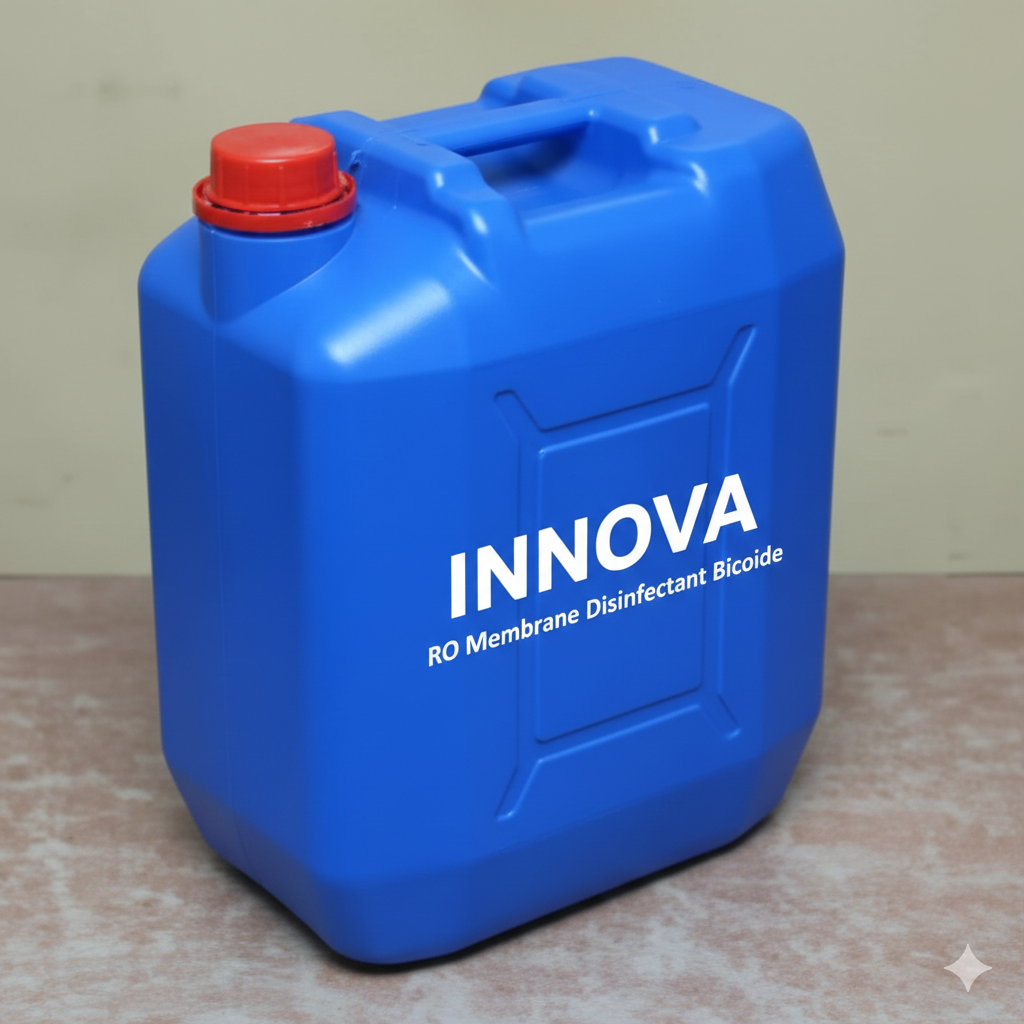
RO Membrane Disinfectant & Biocide Solutions in US
Innova Corporate (India) is a trusted manufacturer and supplier of RO Membrane Disinfectant Biocides in US. Biological fouling is a recurring challenge for US RO plants across every region, but the trigger is different in each. Gulf Coast facilities in Texas and Louisiana deal with warm, nutrient-rich surface water that feeds biofilm year-round. Arizona and Nevada municipal systems run on warm groundwater where microbial activity stays high even in winter. California's Central Valley draws canal and reservoir water that spikes in algae during warm months, while Midwest plants along the Ohio, Illinois and Mississippi rivers see a sharp microbial rise every summer. Whatever the source, the outcome is the same — biofilm builds inside the membrane elements, differential pressure rises and product water quality slowly slips. Our biocide formulations are engineered for this varied US operating reality, so plants across Houston, Phoenix, Los Angeles, Chicago and Tampa can keep microbial growth under control and hold steady permeate output.
We offer a comprehensive range of disinfection technologies in US , including Non-Oxidizing Biocides, Silver Hydrogen Peroxide-based disinfectants, and Peracetic Acid formulations . Continuous dosing of the right biocide for each plant's feed water profile helps facilities across the Gulf Coast industrial belt, Southwest municipal systems, California Central Valley and Midwest river-fed installations avoid the common symptoms of biofouling — rising power consumption, reduced flow rates and inconsistent product water quality. Municipal drinking water plants, petrochemical complexes, food and beverage processors and coastal desal installations all rely on the same chemistry to keep their systems stable through every season.
Specialized Range for US Industries:
- Standard RO Disinfectants
- High-Efficacy Membrane Biocides
- Advanced RO Antifoulants
- Silver Hydrogen Peroxide Based
- Peracetic Acid Formulations
- Potable Drinking Water Disinfectants
Our biocides are primarily non-oxidizing , which makes them safe for the Polyamide and TFC membranes used across US industrial and municipal RO plants. They act against a wide range of bacteria, fungi and micro-organisms without attacking the membrane material itself. For US plant operators, this also means the chlorination and dechlorination steps in feed water pre-treatment can often be simplified or removed — a real advantage for plants in Houston and Chicago that run continuous production cycles and cannot afford the downtime that membrane replacement involves. The potable-safe variants meet NSF/ANSI 60 requirements for drinking water treatment chemicals, with certifications provided for regulatory review.