- 2B / BW Shalimar Bagh, Opp. BQ Market, Near DLF Mall New Delhi - 110088, India.
- :+91-9312-871-070

Manufacturers, Exporters, Suppliers of Membrane Biocides
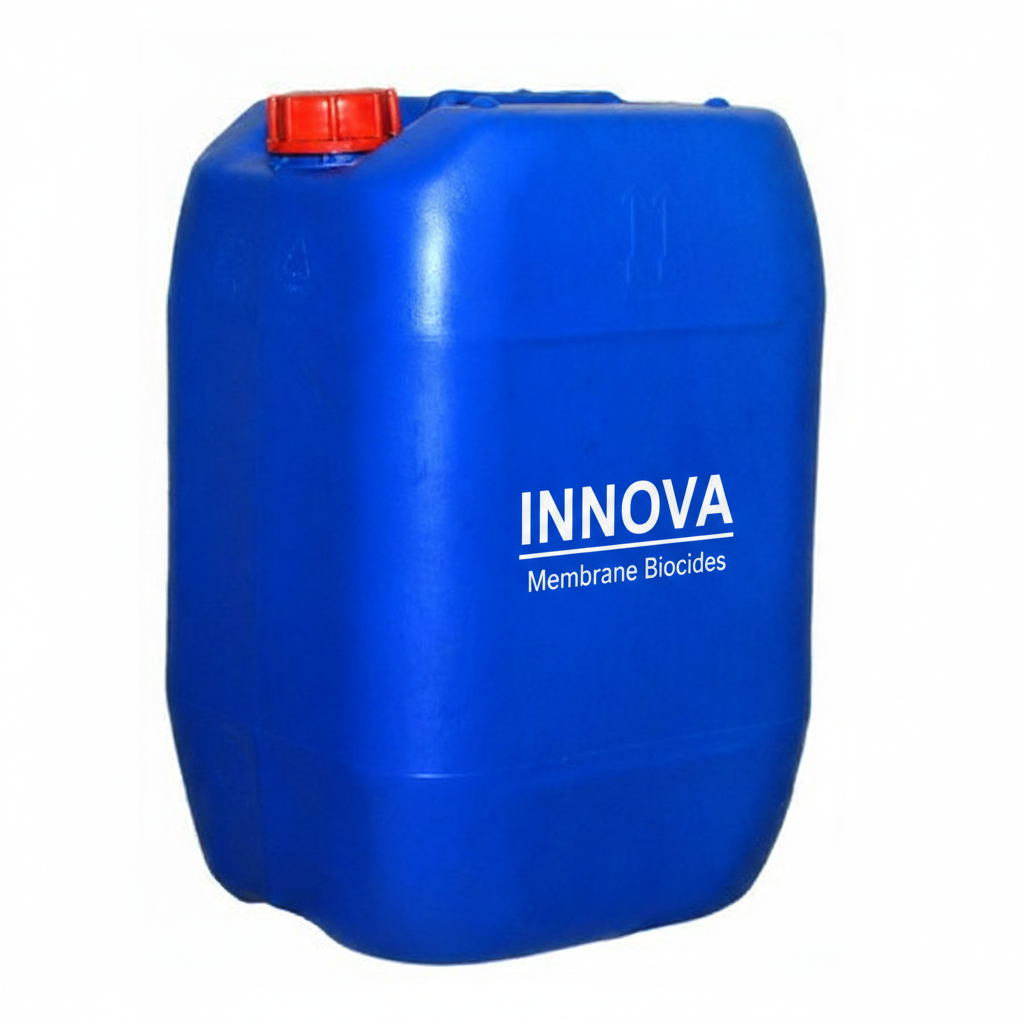
High-Efficacy Membrane Biocides in Jaipur (Oxidizing & Non-Oxidizing)
Rajasthan's climate gives microbial growth an unfair advantage. Warm ambient temperatures, extended summer months, and process water that sits in recirculating cooling towers at elevated temperatures create near-ideal conditions for bacterial and algal proliferation — right across Jaipur's industrial belt. For Sanganer and Bagru's dyeing units, Sitapura's food processing plants, and the VKI corridor's pharma and gems workshops, this isn't a seasonal problem — it's a year-round operational reality. Innova Corporate (India)'s Membrane Biocides in Jaipur are engineered to break that cycle across both RO systems and cooling water loops.
Our biocides are primarily non-oxidizing and chlorine-free, making them safe for polyamide and TFC membranes in Jaipur's RO plants — while remaining just as effective in cooling tower circuits and process water where chlorine by-products would create their own problems. Whether you run a dyeing unit that needs to protect fabric quality from microbial contamination, a food processing plant that must meet potable water compliance, or a cooling tower system battling bio-slime buildup, our biocide range delivers consistent results at low dosage.
Key Features & Strategic Benefits in Jaipur:
- Broad-Spectrum Control: Rapidly eliminates a wide variety of microorganisms and prevents biofilm formation — critical for cooling towers operating at Jaipur's high ambient temperatures.
- Chlorine-Free Formula: Totally chlorine-free, ensuring no oxidative damage to sensitive polyamide membranes.
- Potable Water Safe: Formulations available that are fully compliant with drinking water safety standards — supporting Jaipur's food processing and dairy compliance requirements.
- Biodegradable & Eco-Friendly: Breaks down into non-toxic components, minimizing environmental impact in Jaipur.
- System Compatibility: Fully compatible with all RO membrane types, housings, and system components.
- Enhanced Flux Maintenance: Prevents slimy deposits that cause pressure drops and flux decline in Jaipur plants.
Regular application of our Microbiocides in Jaipur not only ensures sterile water output but also significantly extends the life of your membranes by preventing irreversible biological fouling. For Jaipur's dyeing units, this means cooling water that stays biologically clean through peak summer — protecting both equipment and fabric quality. For the region's food and pharma units, it means consistent microbial compliance without the residue concerns of chlorine-based treatment. These products are highly effective even at low concentrations, making them a cost-efficient choice for industrial and municipal water plants in Jaipur.
Storage & Handling: Store in original, tightly sealed containers in a cool, dry, and well-ventilated area at your Jaipur facility. Keep away from direct sunlight, heat sources, and incompatible materials. For detailed dosing instructions, efficacy data, and safety protocols, please refer to the Technical Data Sheet (TDS) and Material Safety Data Sheet (MSDS).