- 2B / BW Shalimar Bagh, Opp. BQ Market, Near DLF Mall New Delhi - 110088, India.
- :+91-9312-871-070

Manufacturers, Exporters, Suppliers of RO Membrane Preservative
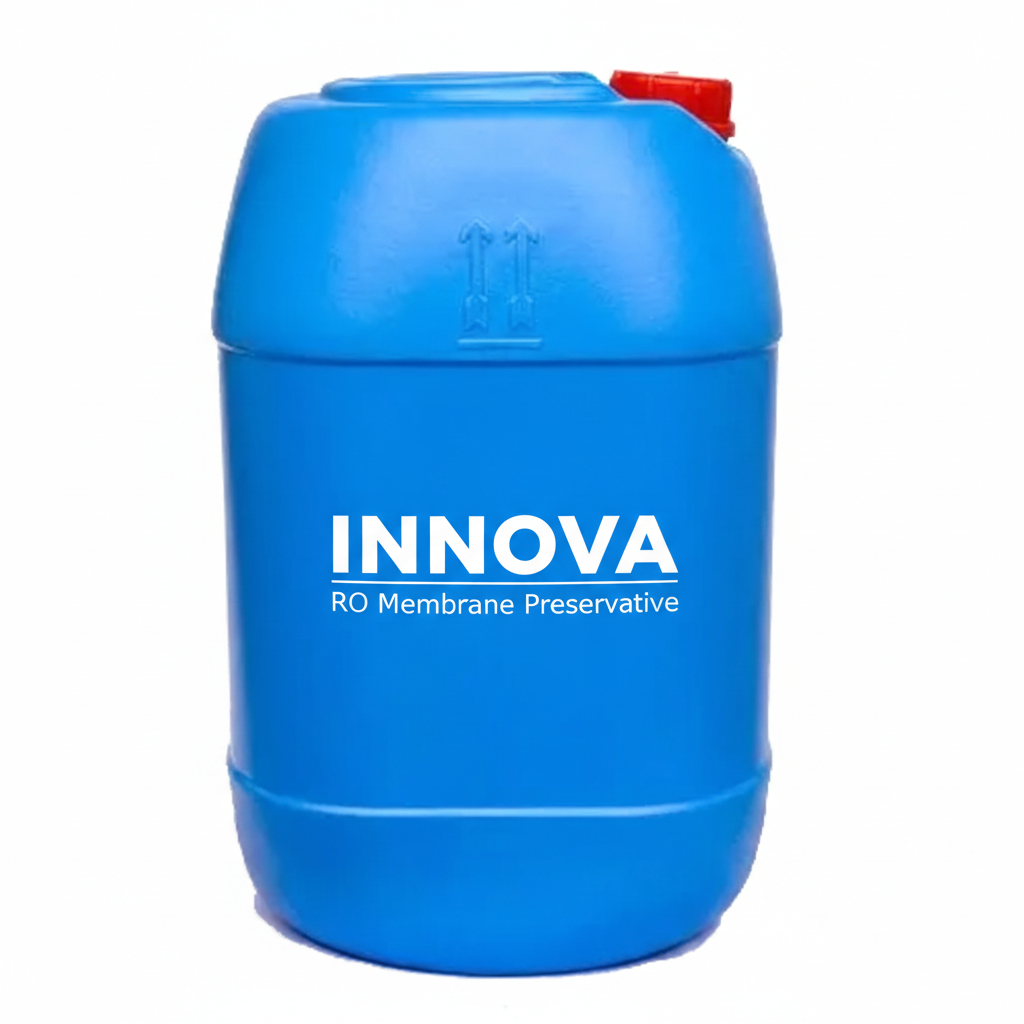
RO Membrane Preservative for New Zealand Shutdown & Seasonal Storage
New Zealand's water treatment operations follow a seasonal rhythm that is unusual internationally. The dairy industry shuts down for several weeks each year between production cycles. Wineries concentrate their activity into a harvest window and then operate at much lower intensity. Aquaculture facilities follow fallow periods for biosecurity management. Municipal and industrial RO systems may reduce output during low-demand seasons. In each of these cases, membranes sit idle for longer than the 48-hour threshold at which biological growth begins to threaten membrane integrity. Without proper preservation, bacteria, fungi and algae colonise the stagnant water inside membrane elements, and restart performance is compromised.
Innova Corporate (India) manufactures and supplies a RO membrane preservative for New Zealand specifically designed for these long-idle scenarios. The formulation displaces feedwater from inside the membrane envelope and replaces it with a solution that keeps the polyamide and TFC layers moist, biologically inactive and chemically stable. This preserves the membrane in a state close to its operating condition, so that when production restarts, the system returns to baseline flux and salt rejection without the slow recovery that follows an unprotected shutdown.
New Zealand's temperate climate adds an unusual consideration. Unlike colder regions where winter temperatures suppress microbial activity, New Zealand's year-round mild conditions mean that biological growth can proceed even during what would be considered the off-season elsewhere. A dairy plant shutting down in autumn does not benefit from natural cold-temperature protection. Our preservative is formulated to deliver reliable protection regardless of outdoor temperature, and it remains stable across the 5°C to 25°C range that covers most New Zealand storage conditions.
Industries & Applications Across New Zealand:
- Dairy Processing (Off-Season Storage): Preservation of RO membranes used for whey concentration, milk processing and boiler feed during the weeks between production cycles. Keeps elements ready for the next season's peak without membrane replacement.
- Wine Production (Harvest Downtime): Protection of RO systems used for water polishing, barrel washing and bottling operations during the low-activity months following harvest. Prevents residual organic matter from supporting microbial growth.
- Aquaculture (Biosecurity Fallow): Preservation of hatchery and smolt facility membranes during fallow periods. Documentation aligned with MPI requirements for biosecurity-sensitive sites.
- Municipal Water Treatment: Seasonal shutdown protection for plants serving smaller communities, with documentation aligned to Taumata Arowai requirements for potable systems.
- Food & Beverage Processing: Off-season storage protection for plants that follow seasonal production patterns rather than continuous operation.
- Hydropower & Industrial Cooling: Preservation during planned maintenance shutdowns at generation and heavy industrial facilities.
- Pharmaceutical & Biotechnology: Storage protection for high-purity water systems during facility maintenance or production gaps.
Complete Preservation Procedure for New Zealand Operations:
- Step 1 — CIP Cleaning: Perform thorough clean-in-place cleaning to remove any existing scale, biofilm or organic deposit before preservation begins. Residual foulant will support growth even under preservative.
- Step 2 — Permeate Flush: Rinse membrane with RO permeate to remove residual cleaning chemicals and neutralise any leftover alkaline or acidic solution.
- Step 3 — Preservative Circulation: Circulate the prepared preservative solution through the membrane at the recommended dose, ensuring complete displacement of feedwater from the element envelope.
- Step 4 — Valve Closure: Close all inlet, outlet and sampling valves to prevent air ingress and maintain the membrane fully submerged throughout storage.
- Step 5 — Periodic Monitoring: Check the preservative solution every three months for pH, colour and biological activity. Refresh if necessary for storage beyond six months.
- Step 6 — Restart Verification: Before returning the membrane to service, flush thoroughly with permeate and verify that feed and reject pH are balanced. Compare initial performance against the pre-shutdown baseline.
Why New Zealand Operations Choose Our Preservative:
Application & Dosage for New Zealand Plants:
The application method involves displacing the feed water with a prepared preservative solution. Standard preservation concentrations range from 1–2% sodium metabisulfite or 100–200 ppm DBNPA-based preservative, with the exact dose depending on shutdown duration, feedwater chemistry and membrane type. For dairy off-season storage of three months or more, we typically recommend the higher end of the range for added security. Since requirements vary based on the duration of the shutdown and system size, you are requested to contact our New Zealand representative for advice on the best dosage and application protocol for your specific plant.
Storage & Handling in New Zealand:
This product should be stored in original containers in a cool and dry place in New Zealand, away from sources of heat, flame and direct sunlight. New Zealand's temperate climate is well suited to preservative storage — no extreme cold or heat — but high humidity in coastal and western regions can cause external corrosion on fittings and storage containers. Keep containers closed and inspect periodically. For South Island high-country sites where overnight temperatures may drop below freezing, protect from freezing during transport and storage. If the product freezes, thaw gradually at room temperature and stir before use — performance is unaffected. Refer to the Technical Data Sheet (TDS) and Label for shelf-life information.
Handling Measures & Safety Precautions:
Proper human safety gear such as splash goggles, lab coats, vapour
respirators, gloves, and boots must be worn while handling and applying
chemicals at your New Zealand site — whether at a dairy factory,
winery, aquaculture facility or municipal plant.
* Skin Contact: Wash off with water immediately.
* Eye Contact: Flush with fresh water and seek medical attention
immediately.
* Important: Product should not be injected. Please refer to the
MSDS for comprehensive safety details.
Frequently Asked Questions — RO Membrane Preservative in New Zealand
1. Why do New Zealand dairy plants need RO membrane preservative during off-season?
New Zealand's dairy industry follows a seasonal production pattern driven by calving and pasture growth. Most dairy processing plants reduce operations or shut down entirely for several weeks or months during the off-season. During these idle periods, stagnant water inside RO membrane elements becomes an ideal breeding ground for bacteria, fungi and algae. Because New Zealand's temperate climate keeps ambient temperatures moderate year-round, microbial growth can proceed even in winter storage. Our preservative keeps membranes biologically stable for up to six months, so they perform exactly as before when production restarts.
2. How does your preservative protect RO membranes during Marlborough wine harvest downtime?
Wine production follows a concentrated harvest period from late summer through autumn, followed by months of lower activity. RO systems used for water polishing, barrel washing and bottling operations may sit idle for weeks after harvest. Without preservation, residual organic matter in the membrane elements supports microbial growth, and the membranes can develop biofilm or oxidation damage. Our preservative flushes out residual organics and leaves a protective solution in place, so membranes restart cleanly when the next production cycle begins.
3. What is the correct preservation procedure for New Zealand aquaculture fallow periods?
Aquaculture operations in New Zealand often follow fallow cycles to manage fish health and biosecurity. During fallow periods, RO systems used for hatchery and smolt water treatment are shut down. The preservation procedure begins with a thorough CIP cleaning to remove any organic load, followed by a permeate flush to remove residual chemicals. Then the preservative solution is circulated through the membrane at the recommended dose, and all valves are closed to prevent air ingress. For biosecurity-sensitive sites, we provide documentation aligned with MPI requirements for the fallow period.
4. How long can RO membranes be preserved with your chemicals in New Zealand storage conditions?
With our preservative, RO membranes can be safely stored for up to six months without performance loss. For facilities that operate on longer seasonal cycles, we offer extended-life formulations that protect for up to twelve months. New Zealand's temperate climate is generally favourable for storage — no extreme cold or heat — but high humidity in some regions can promote corrosion on external fittings. We recommend checking the preservative solution every three months and refreshing if necessary. Detailed monitoring guidelines are provided with each shipment.
5. Is your membrane preservative safe for potable water RO systems in New Zealand?
Yes. Our preservative formulations are manufactured using food-grade raw materials suitable for potable water applications. After preservation, a thorough permeate flush is performed before returning the system to service, ensuring no residue carryover into drinking water. We provide documentation aligned with Taumata Arowai (the water services regulator) requirements and MPI guidelines for food processing use. For municipal drinking water plants, the flush procedure and verification steps are clearly documented.
6. How does the preservative handle New Zealand's high humidity and variable temperatures?
New Zealand's temperate climate generally sits between 5°C and 25°C year-round, which is ideal for preservative stability. High humidity in coastal and western regions can cause external corrosion on fittings and instrumentation, but the preservative inside the membrane is not affected. For storage in areas with occasional overnight frost, such as South Island high-country sites, the formulation remains stable and does not freeze at typical temperatures. If the product does freeze during transport, thaw gradually at room temperature and stir before use — performance is unaffected.
7. What is the difference between RO membrane preservative and RO biocide?
RO biocide is used during active operation to kill microorganisms in the feedwater and prevent biofilm formation on running membranes. RO membrane preservative is used during shutdown, storage or fallow periods to protect idle membranes from microbial growth, oxidation and physical degradation. Both are essential in New Zealand operations — biocide during production, preservative during off-season. We supply both products and combined treatment programs, with dosing guidance for each phase of the operational cycle.
8. Can your preservative be used in hydropower and municipal systems during seasonal maintenance?
Yes. Hydropower stations in New Zealand use RO for cooling water and turbine protection, and they schedule maintenance during low-demand periods. Municipal drinking water plants may also reduce output during certain seasons. Our preservative is suitable for both applications, with documentation aligned to Taumata Arowai requirements for potable systems. Full flushing before restart ensures permeate safety, and we can provide verification procedures for regulatory reporting.
9. Do you supply RO membrane preservative to Auckland, Wellington, Christchurch and regional NZ?
Yes. We ship to all major New Zealand ports and cities including Auckland, Tauranga, Wellington, Lyttelton (Christchurch), Port Chalmers (Dunedin), Napier, Nelson and Invercargill. Delivery to regional dairy processing sites, wineries and aquaculture facilities is available through our NZ distribution partners. All shipments include documentation for NZ Customs and the Environmental Protection Authority (EPA), and we support clients through the MPI biosecurity clearance process.
10. What documentation is provided with membrane preservative shipments to New Zealand?
Every shipment to New Zealand includes Material Safety Data Sheet (MSDS), Technical Data Sheet (TDS), Certificate of Analysis (COA), recommended preservation and restart procedures, and compliance statements aligned with MPI, Taumata Arowai and HSNO requirements. For potable water applications, we provide additional documentation for regulatory reporting. For aquaculture and food processing clients, we supply biosecurity and food-safety documentation as required.