- 2B / BW Shalimar Bagh, Opp. BQ Market, Near DLF Mall New Delhi - 110088, India.
- :+91-9312-871-070

Manufacturers, Exporters, Suppliers of Membrane Biocides
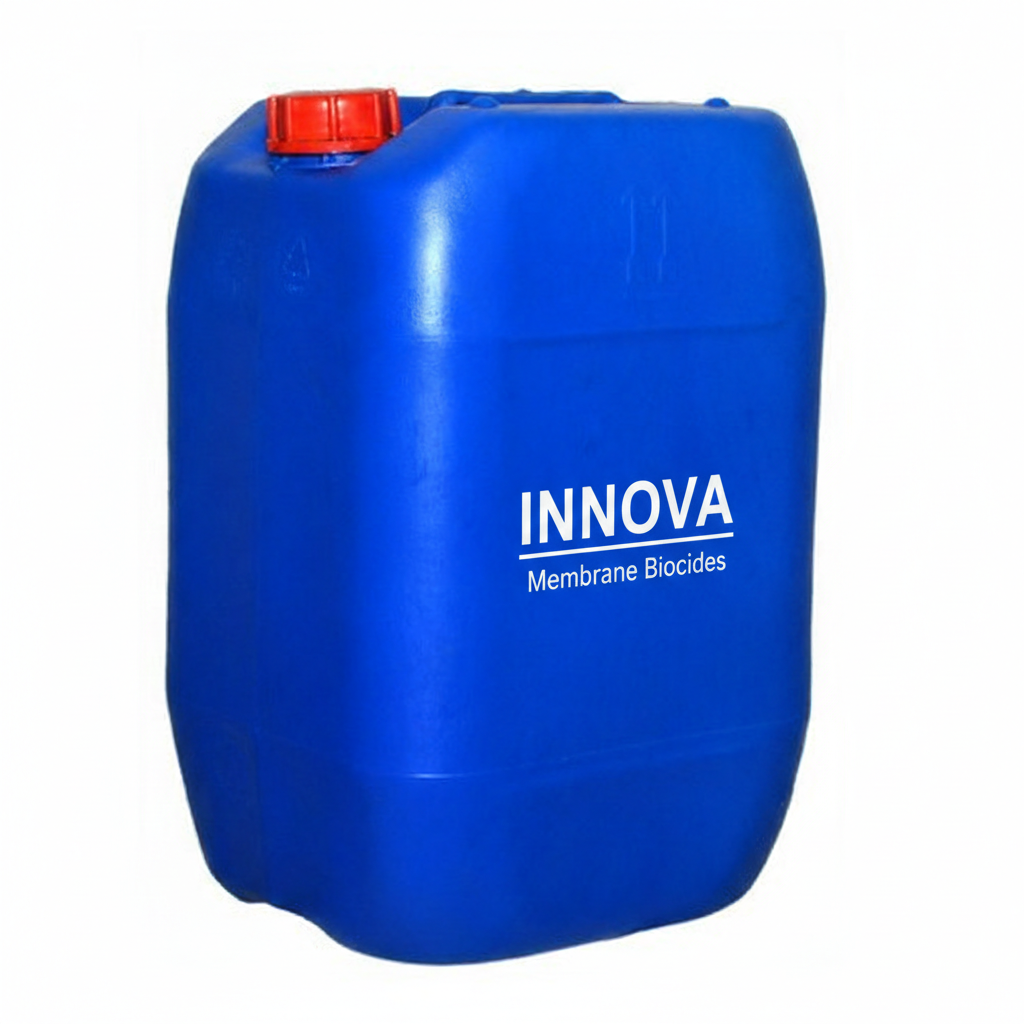
Membrane Biocides in Bhutan for Hydropower, Pharma & Food Processing RO (Non-Oxidizing Biofouling Control)
Innova Corporate (India) supplies Membrane Biocides in Bhutan for hydropower cooling water RO in Thimphu and Chukha, pharmaceutical purified water in Paro, food processing in Phuentsholing, geothermal water treatment in Gelephu, and hotel water systems in Thimphu and Paro. Microbial growth and biofilm formation are persistent challenges in Bhutan's industrial water systems — hydropower cooling water biofilm reduces heat transfer efficiency and corrodes turbine components, pharmaceutical purified water requires sterile conditions, and food processing needs hygienic water without chlorine taint. Chlorine-based biocides cannot be used directly on polyamide membranes and corrode turbine cooling systems. Our non-oxidizing microbiocide controls microbial growth without damaging membranes or corroding metals — meeting National Environment Commission (NEC) discharge guidelines for Himalayan river protection.
Our membrane biocide in Bhutan is a safe and powerful solution for the disinfection of Reverse Osmosis systems, including those used for potable water. It effectively targets bacteria, fungi, algae and sulfate-reducing bacteria (SRB) common in Bhutan's glacial melt and industrial water sources, ensuring that your membrane system remains free from biological sliming and maintains peak performance. For municipal drinking water RO plants serving Bhutanese communities, potable-grade formulations are available that meet NEC discharge guidelines.
Bhutan Microbial Challenges — Industry & Location Guide:
| Bhutan Industry | City | Microbial Challenge |
|---|---|---|
| Hydropower cooling | Thimphu, Chukha, Punatsangchhu | Cooling water biofilm, corrosion risk with chlorine |
| Pharmaceutical | Paro | Purified water sterility, no residue |
| Food processing | Phuentsholing | CIP hygiene, no tainting |
| Geothermal water | Gelephu | High-temperature microbial control |
| Hotels & tourism | Thimphu, Paro | Potable water quality, guest safety |
| Municipal water | Thimphu, Phuentsholing | Drinking water disinfection, NEC compliance |
Key Features & Strategic Benefits for Bhutan Hydropower, Pharma & Food Processing:
- Broad-Spectrum Control: Rapidly eliminates bacteria, fungi, algae, viruses and SRB, preventing biofilm formation in Bhutan hydropower cooling water and food processing RO systems.
- Non-Oxidizing Formula: Totally chlorine-free — no oxidative damage to sensitive polyamide membranes and no corrosion of hydropower turbine cooling components.
- Hydropower Cooling Safe: Controls biofilm without corroding stainless steel and copper in Bhutan's hydropower turbine cooling systems — unlike chlorine.
- NEC Compliant: Breaks down into non-toxic components — meets Bhutan's National Environment Commission discharge guidelines for Himalayan river protection.
- Potable Water Safe: Food-grade formulations available for Paro pharmaceutical plants and Thimphu/Phuentsholing municipal water systems.
- Geothermal Ready: Effective at high temperature (35–50°C) in Gelephu geothermal water systems.
- System Compatibility: Fully compatible with all RO, NF and UF membrane types, housings and system components used in Bhutan.
- Enhanced Flux Maintenance: Prevents slimy deposits that cause pressure drops and flux decline in Bhutanese industrial plants.
Industries We Serve Across Bhutan:
Hydropower Plants (Thimphu, Chukha, Punatsangchhu): Bhutan's largest industry — hydropower cooling water RO uses non-oxidizing biocide to control biofilm without chlorine corrosion of turbine cooling systems.
Pharmaceutical Plants (Paro): Pharmaceutical purified water systems use non-oxidizing biocide for residue-free sanitisation, meeting strict quality standards.
Food Processing (Phuentsholing): Food processing plants use non-oxidizing biocide for CIP of RO and process water systems — no tainting, no chlorine taste.
Geothermal Water (Gelephu): Geothermal sites use non-oxidizing biocide for water RO disinfection at high temperature.
Hotels & Tourism (Thimphu, Paro): Bhutan's hospitality sector uses non-oxidizing biocide for potable water treatment — no chlorine taste for guests.
Municipal Water (Thimphu, Phuentsholing): Municipal utilities use non-oxidizing biocide for post-treatment disinfection, complying with NEC guidelines.
Non-Oxidizing Biocide vs Chlorine — Why Bhutan Plants Prefer Non-Oxidizing:
| Parameter | Chlorine (Oxidizing) | Non-Oxidizing Biocide |
|---|---|---|
| Hydropower Turbine Cooling | Corrodes stainless steel and copper | Non-corrosive to turbine components |
| NEC Discharge | DBP formation risk | No DBP — NEC compliant |
| Pharmaceutical Purity | Residue risk in purified water | No residue — pharma-grade |
| Hotel Guest Taste | Chlorine taste complaints | No taste, no odour |
Dosage & Application Guide for Bhutan RO Plants:
- Hydropower Cooling Water (Thimphu, Chukha): 2–5 ppm for continuous biofilm control in cooling water RO, no corrosion risk.
- Pharmaceutical Purified Water (Paro): 0.5–1 ppm for residue-free sanitisation, meeting strict quality standards.
- Food Processing CIP (Phuentsholing): 50–150 ppm during CIP — no tainting, meets food safety standards.
- Geothermal Water (Gelephu): 3–8 ppm for high-temperature microbial control at 35–50°C.
- Hotel Water (Thimphu, Paro): 2–4 ppm for potable water residual protection, no chlorine taste.
- Municipal Water (Thimphu, Phuentsholing): 2–5 ppm for post-treatment residual protection, NEC compliant.
- Injection Point: Before cartridge filter and static mixer, on the feed side of the RO membranes.
- Monitoring: Track microbial counts, differential pressure and permeate flow weekly to confirm biocide effectiveness.
Common Biofouling Problems in Bhutan Hydropower, Pharma & Food Processing RO Systems:
Hydropower Cooling Water Biofilm: Thimphu and Chukha hydropower plants face biofilm accumulation in cooling water systems. Non-oxidizing biocide controls this without chlorine corrosion of turbine components.
Pharmaceutical Water Contamination: Paro pharmaceutical plants need sterile purified water. Non-oxidizing biocide leaves no harmful residue and meets strict quality standards.
Food Processing Hygiene: Phuentsholing food processing plants require CIP chemicals that leave no tainting or chlorine taste. Non-oxidizing biocide delivers this.
Geothermal Water Pathogens: Gelephu geothermal water systems face microbial growth at high temperature. Non-oxidizing biocide is effective at 35–50°C.
Hotel Potable Water Quality: Thimphu and Paro hotels face guest complaints about chlorine taste. Non-oxidizing biocide provides chlorine-free disinfection.
Monsoon Microbial Load: Bhutan's monsoon season increases microbial load in surface water sources. Non-oxidizing biocide handles this without DBP formation.
Technical Specifications:
| Appearance | Clear to pale yellow liquid |
| Type | Non-oxidizing organic biocide |
| pH (as is) | 6.0 – 8.0 |
| Specific Gravity | 1.02 – 1.10 |
| Recommended Dosage | 2–10 ppm (continuous) / 50–200 ppm (CIP) |
| Solubility | Fully miscible in water |
| Certification | NEC compliant, non-corrosive to turbine cooling systems |
| Shelf Life | 12 months in original sealed container |
Frequently Asked Questions (Bhutan):
Q: What are membrane biocides used for in Bhutan RO systems?
A: They control microbial growth and biofouling in RO membranes at hydropower cooling water plants in Thimphu and Chukha, pharmaceutical purified water in Paro, and food processing in Phuentsholing. They kill bacteria, fungi, algae and biofilm without damaging polyamide membranes.
Q: Why are non-oxidizing biocides preferred for Bhutan RO systems?
A: Non-oxidizing biocides do not attack polyamide or TFC membranes, unlike chlorine. This makes them the preferred choice for Bhutan hydropower cooling water, pharmaceutical and food processing RO systems where membrane integrity is critical.
Q: Which Bhutanese industries use membrane biocides the most?
A: Hydropower plants in Thimphu, Chukha and Punatsangchhu, pharmaceutical plants in Paro, food processing in Phuentsholing, geothermal water treatment in Gelephu, and municipal water systems across Bhutan.
Q: How do membrane biocides help Bhutan hydropower cooling water?
A: Bhutan hydropower plants in Thimphu and Chukha use RO for cooling water treatment. Microbial growth and biofilm reduce heat transfer efficiency and cause corrosion. Non-oxidizing biocides disinfect without chlorine-related corrosion risk.
Q: What dosage of membrane biocide is recommended for Bhutanese RO systems?
A: Typical dosage is 2–10 ppm for continuous feed dosing, or 50–200 ppm for CIP sanitisation. Our technical team provides free dosage guidance for Bhutanese plants.
Q: Do you supply membrane biocides across Bhutan?
A: Yes, we supply to hydropower, pharmaceutical, food processing and municipal RO plants across Bhutan, including Thimphu, Chukha, Paro, Phuentsholing, Gelephu, Punakha and Wangdue.
Storage & Handling: Store in original, tightly sealed containers in a cool, dry and well-ventilated area at your Bhutan facility. Keep away from direct sunlight, heat sources and incompatible materials. For detailed dosing instructions, efficacy data and safety protocols, please refer to the Technical Data Sheet (TDS) and Material Safety Data Sheet (MSDS).
Related Products: Explore our Complete RO Antiscalant Range for Bhutan, Peracetic Acid RO Disinfectant, and Silver Hydrogen Peroxide Disinfectant for a complete RO chemical programme across Bhutan.