- 2B / BW Shalimar Bagh, Opp. BQ Market, Near DLF Mall New Delhi - 110088, India.
- :+91-9312-871-070

Manufacturers, Exporters, Suppliers of RO Antiscalants High Silica
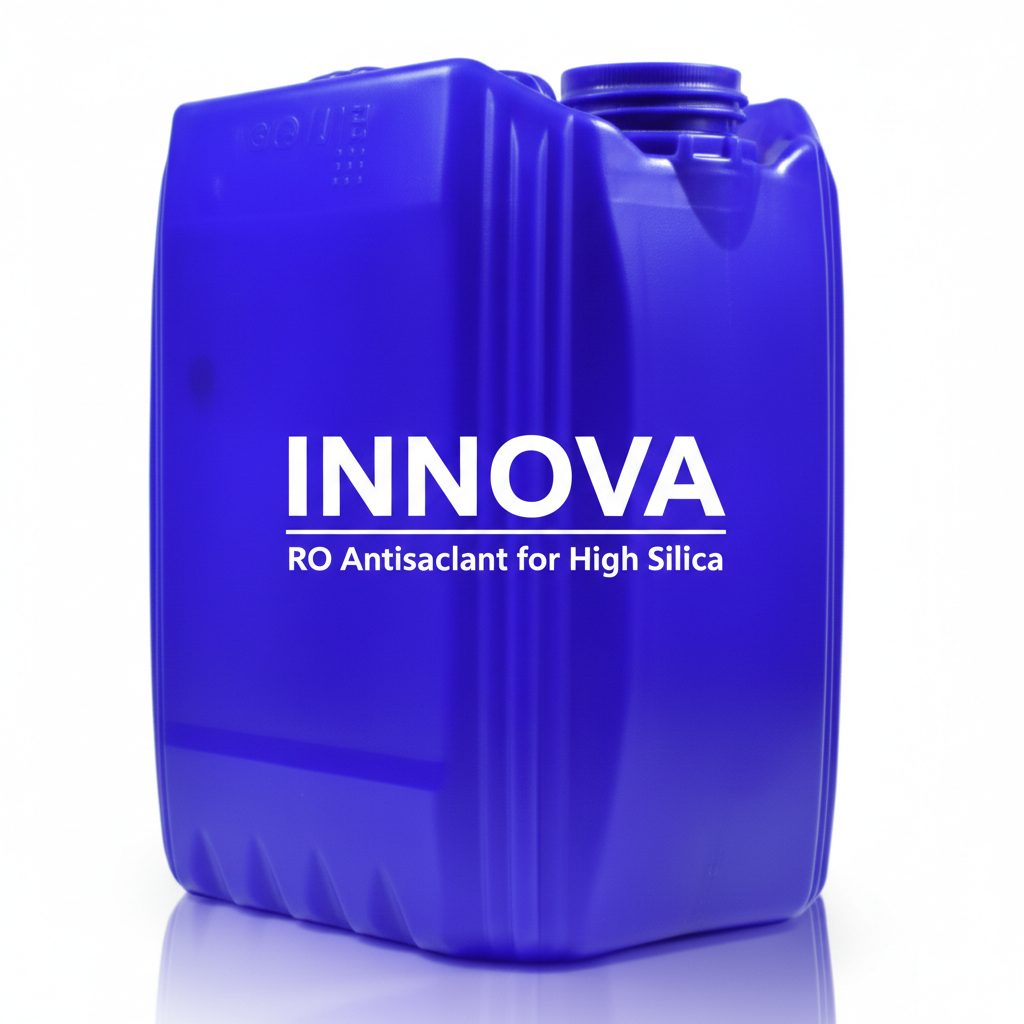
RO Antiscalant for High Silica & Metal Oxides in Mombasa Plants (KEBS & NEMA Compliant)
Silica and metal oxide scaling is one of the most difficult challenges in RO membrane maintenance, and in Mombasa it comes from a specific set of water sources. Indian Ocean seawater at Nyali and Diani hotel SWRO plants carries naturally dissolved silica from marine biological activity, and concentrations rise during seasonal plankton bloom periods. Coastal brackish aquifers in Changamwe, Likoni, and the Mombasa industrial area carry silica and iron from sediment dissolution and tidal mixing. And industrial reuse streams at Bamburi heavy industry and the Port of Mombasa zone can accumulate both silica and metal oxides through multiple cycles. Innova Corporate (India) supplies this high silica and metal oxides RO antiscalant for Mombasa plants specifically to address those conditions, and it is compliant with KEBS (Kenya Bureau of Standards) and NEMA (National Environment Management Authority) requirements applicable to Kenya.
Our high silica formulation stabilises silica in solution, preventing the polymerisation reaction that bonds silica permanently to polyamide and TFC membrane surfaces. It also sequesters iron and manganese oxide — critical for Mombasa plants drawing from port facility pipework and industrial reuse streams where iron concentration can rise from corroded infrastructure. The product is exceptionally effective at the operating conditions typical of Mombasa industrial RO systems: LSI up to +2.5, iron up to 1.5 ppm in the reject, and silica up to 325 ppm (mg/L) in the reject.
For Mombasa specifically, tropical coastal performance is a critical differentiator. Mombasa's water temperatures stay between 26°C and 30°C year-round, and silica polymerisation kinetics accelerate in warmer water. Our formula maintains full efficacy from 5°C to 40°C, so Mombasa plants do not need heated dosing systems or seasonal adjustment — no matter whether the source is Indian Ocean seawater at Nyali, a coastal brackish aquifer at Changamwe, or an industrial reuse stream at Bamburi. The dispersant chemistry also keeps marine organic matter from plankton blooms in suspension, preventing co-deposition with silica during peak bloom periods.
Key Features & Strategic Benefits for Mombasa Industries:
- KEBS & NEMA Compliant: Formulated to meet Kenya Bureau of Standards requirements and NEMA discharge regulations — documentation support available for Mombasa facility audits and county health authority submissions.
- Critical Silica Control: Prevents complex silica-based scales that are otherwise irreversible — effective on Indian Ocean seawater, coastal brackish, and industrial reuse silica sources.
- Iron & Metal Oxide Sequestration: Effectively manages iron content from port facility pipework and industrial reuse streams to prevent red-brown membrane staining and pressure drop.
- Bloom-Period Dispersion: Dispersant chemistry keeps marine organic matter from plankton blooms in suspension — preventing co-deposition with silica during peak bloom periods in Nyali and Diani seawater feed.
- Optimised Recovery: Allows for higher water recovery rates even with elevated TDS and silica concentrations — reduces water intake and brine discharge, aligned with NEMA marine discharge norms.
- Membrane Compatibility: Safe and compatible with all major brands of polyamide, TFC, and NF membranes, plus standard housings, gaskets, and CIP skid components used across Mombasa.
- Tropical Coastal Performance: Full efficacy at Mombasa's 26°C to 30°C year-round water temperatures — no heated dosing or seasonal adjustment required.
- Environmentally Responsible: Fully organic and biodegradable formulation — compliant with NEMA discharge norms and supporting Kenya's environmental reporting requirements.
- Maintenance Reduction: Drastically reduces the frequency of chemical cleanings and element replacements for Mombasa plants — lower downtime, lower chemical consumption, longer membrane life.
Dosage & Application Guidelines for Mombasa:
High Silica RO Antiscalant should be dosed directly into the feed water line, after pretreatment and before the high-pressure pump. Standard dosage ranges from 2 ppm to 20 ppm, depending on calcium hardness, iron, TDS, and silica content in your Mombasa facility:
- Moderate Hardness: 2–3 ppm is sufficient for alkalinity and hardness control in typical Mombasa municipal or seawater sources.
- Elevated Iron (0.5–1.0 ppm): Increase dosage by 5–7 ppm to stabilise the system against iron from port facility pipework and industrial reuse streams.
- Extreme Silica (up to 325 ppm in reject): A dosage of approximately 10–15 ppm is recommended for full inhibition in the reject stream.
Note: For potable applications in Mombasa, the maximum dosage is capped at 10 ppm per KEBS requirements for water treatment chemicals in Kenya.
Recommended Applications in Mombasa: Hotel and resort SWRO systems in Nyali, Diani, Malindi, and Watamu; food processing and beverage bottling in Changamwe and the Mombasa industrial area under KEBS oversight; Port of Mombasa container terminal and shipping facility water systems; Bamburi cement and heavy industry operations with industrial reuse streams; municipal water utility applications through Mombasa Water; hospitals and healthcare facilities requiring KEBS-compliant water treatment; and any Mombasa coastal facility with elevated silica or seasonal bloom variability.
Storage & Handling: Store in original, tightly sealed containers in a cool and dry environment at your Mombasa site. Keep away from direct heat and sunlight. During monsoon-season humidity spikes, keep containers off damp floors and away from condensation. For customised dosing schedules based on your specific Mombasa water analysis — including silica saturation calculation and LSI — please consult our Technical Data Sheet (TDS), Material Safety Data Sheet (MSDS), or reach out to our technical team. Both documents are compliant with Kenya regulatory documentation requirements.
Export & Technical Support for Mombasa: We ship regularly to the Port of Mombasa, East Africa's largest port, with onward transport to Nyali, Changamwe, Likoni, Diani, Kilifi, and other coastal locations across Kenya. All shipments include complete customs documentation, MSDS, and TDS. Our technical team provides free dosage calibration tailored to your plant's water chemistry, industry, and Kenya regulatory requirements — including compliance support for KEBS, NEMA, and county health authority documentation.