- 2B / BW Shalimar Bagh, Opp. BQ Market, Near DLF Mall New Delhi - 110088, India.
- :+91-9312-871-070

Manufacturers, Exporters, Suppliers of RO Membrane Disinfectant Biocide
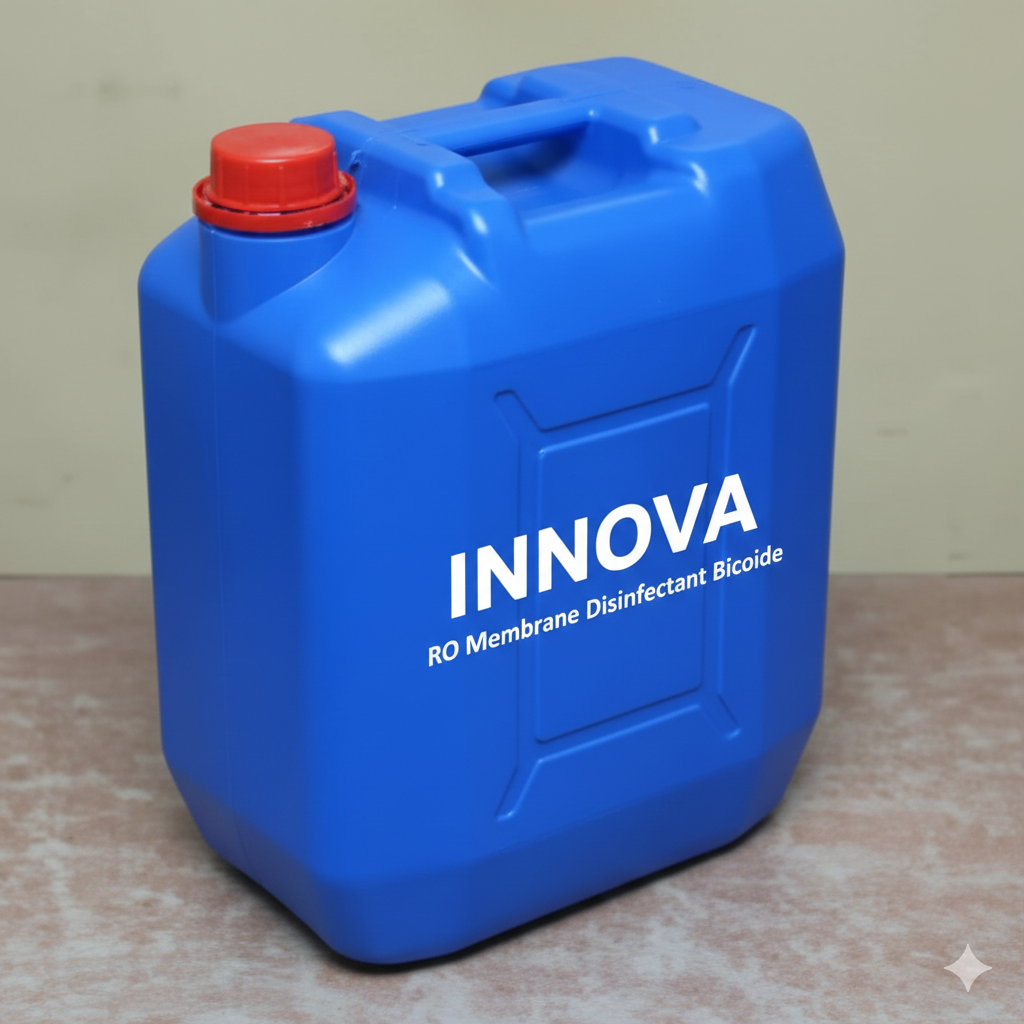
RO Membrane Disinfectant & Biocide for Odisha Industrial Plants
Odisha's climate creates a biofouling problem that plants in drier states rarely see. Warm, humid conditions through most of the year — combined with feed water from the Brahmani, Mahanadi and IB river systems that carries organic load and microbial matter — means biofilm forms faster and thicker here than almost anywhere else in India. Steel and power plants in the Rourkela and Sambalpur belt running on surface water see this during monsoon when organic load spikes. Alumina and process units around Dhenkanal and Angul face it year-round from mixed supply. Coastal plants near Balasore, Paradip and Berhampur deal with marine bacteria in addition to the freshwater microbial load. Our membrane disinfectant and biocide range is formulated for the full spectrum of these conditions.
The range covers the full disinfection need in Odisha water treatment — non-oxidizing biocides for continuous dosing, silver hydrogen peroxide formulations for high-purity pharma and food applications, and peracetic acid based disinfectants for shock treatment of heavily fouled membranes. Because the core biocides are non-oxidizing, they are safe for polyamide and TFC membranes that would otherwise be damaged by chlorine. For many Odisha plants, this also removes the traditional chlorination–dechlorination step from pretreatment, simplifying the whole train and cutting chemical handling.
Disinfectant & Biocide Range for Odisha Plants:
- Continuous-Dose Non-Oxidizing Biocide: Keeps bacteria and algae in check during normal operation without damaging membranes.
- Shock-Treatment Biocide: Knocks down established bio-slime during CIP or after extended monsoon shutdowns.
- Silver Hydrogen Peroxide Disinfectant: For high-purity applications in pharma and food-grade Odisha plants.
- Peracetic Acid Formulation: Fast-acting disinfectant for heavily biofouled RO systems and distribution loops.
- Membrane Antifoulant: Disperses organic and microbial debris before it anchors to the membrane surface.
- Potable Water Disinfectant: For post-treatment sanitisation in drinking water plants and canteens.
Because these biocides are non-oxidizing, they respond against a broad spectrum of bacteria, fungi, yeast and algae without attacking the polyamide or TFC membranes that are standard in Odisha RO installations. Where chlorine-based disinfection would require careful dechlorination upstream of the membranes, non-oxidizing biocides allow a simpler and safer pretreatment train — fewer dosing points, fewer chemicals on site, and less risk of membrane oxidation damage. For Odisha operators running continuous processes in a tropical climate, that predictability matters more than the headline cost of the chemical.