- 2B / BW Shalimar Bagh, Opp. BQ Market, Near DLF Mall New Delhi - 110088, India.
- :+91-9312-871-070

Manufacturers, Exporters, Suppliers of Membrane Biocides
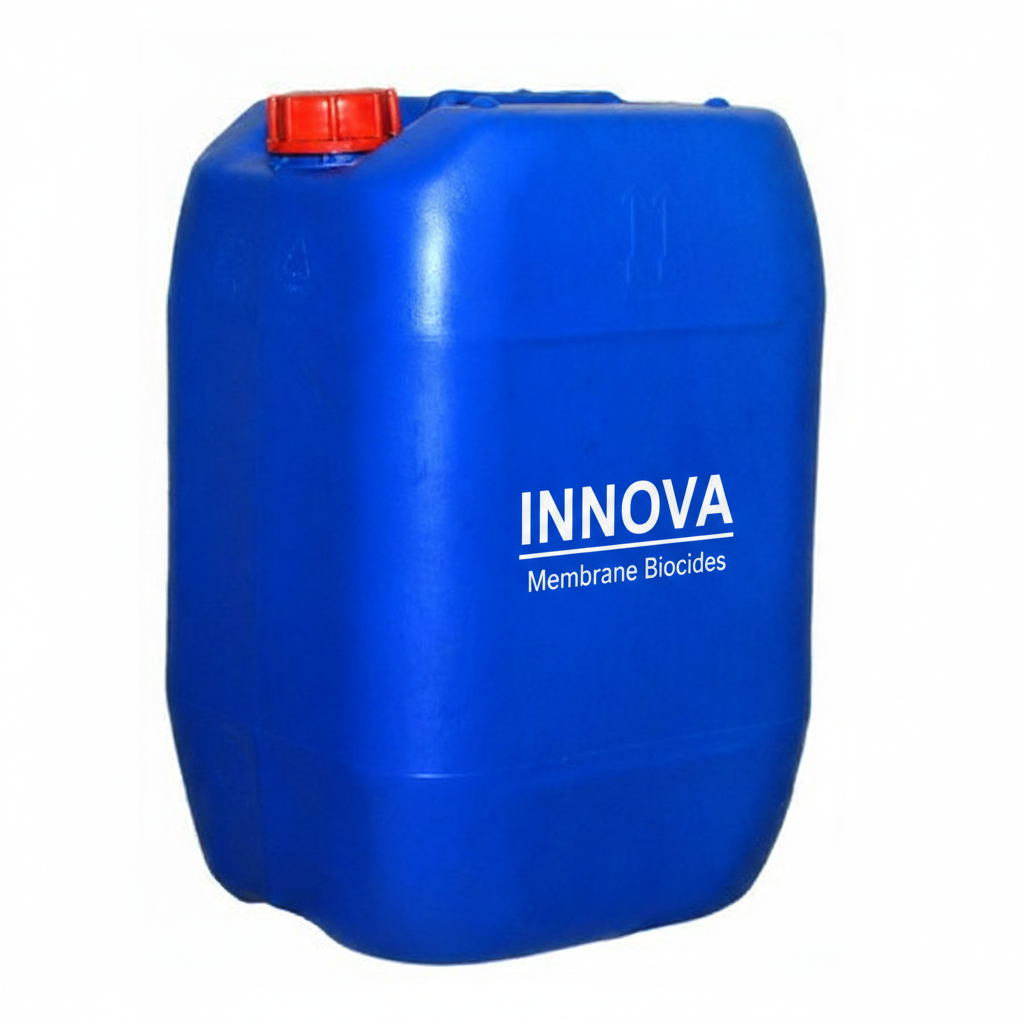
Membrane Biocides in Kenya for Nairobi Bottling, Kisumu Fish & Mombasa Hotel RO (Non-Oxidizing Biofouling Control)
Prevent biological growth with our high-grade Membrane Biocide in Kenya. Algae and bacterial colonies rapidly colonize RO membranes in Kenya's warm tropical and highland climate — Nairobi bottling plants draw from borewell water with organic load, Kisumu fish processing plants use Lake Victoria water with seasonal algal blooms, Naivasha flower farms face volcanic lake water with high microbial content, and Mombasa hotels deal with coastal groundwater. Our non-oxidizing biocide is the most effective way to keep these microorganisms under control, whether you run a beverage plant, fish processing facility, flower farm or hotel water system.
It is a non-oxidizing biocide that can be used for both online continuous dosing and shock treatment during CIP. For Kenyan plants processing surface water, borewell water or wastewater, this chemical prevents bio-fouling that leads to high pressure drops, foul odours and poor water quality. Unlike chlorine, it does not form harmful disinfection by-products (DBPs) and does not attack polyamide membranes — meeting both Kenya NEMA discharge limits and international buyer standards for export-focused industries like Naivasha flower farms and Kisumu fish processing.
Kenya Microbial Challenges — City & Industry Guide:
| Kenyan City | Industry | Microbial Challenge |
|---|---|---|
| Nairobi | Bottling, beverage | Borewell organic load, biofilm in CIP lines |
| Thika | Food processing, bottling | Chania River organic load |
| Kisumu | Fish processing | Lake Victoria algal blooms, high microbial load |
| Naivasha | Cut flower farms | Volcanic lake organic load, EU export residue limits |
| Mombasa | Hotels, resorts | Coastal groundwater biofilm, guest chlorine complaints |
| Nakuru | Dairy processing | Biofilm in pasteurisation and RO lines |
Key Features & Strategic Benefits for Kenyan Bottling, Fish & Flower Farm RO:
- Broad-Spectrum Control: Rapidly eliminates bacteria, fungi, algae, viruses and SRB, preventing biofilm formation in Nairobi bottling and Kisumu fish processing RO systems.
- Chlorine-Free Formula: Totally chlorine-free, ensuring no oxidative damage to polyamide membranes and no chloramine formation with Lake Victoria organics.
- NEMA Compliant: Breaks down into non-toxic components — meets Kenya NEMA discharge limits for industrial and municipal plants.
- EU Export Compliant: No harmful residue — meets EU buyer standards for Naivasha cut flower and Kisumu fish exports.
- Potable Water Safe: Food-grade formulations available for Nairobi and Thika bottling plants and Mombasa hotel water systems.
- Algal Bloom Ready: Effective during Lake Victoria seasonal algal blooms when microbial load increases sharply in Kisumu and Naivasha.
- System Compatibility: Fully compatible with all RO, NF and UF membrane types, housings and system components used in Kenya.
- Enhanced Flux Maintenance: Prevents slimy deposits that cause pressure drops and flux decline in Kenyan bottling, fish and dairy plants.
Industries We Serve Across Kenya:
Bottling & Beverage (Nairobi, Thika): Bottling plants use non-oxidizing biocide for CIP of RO and filling lines — no chlorine taste, no DBPs, NEMA-compliant discharge.
Fish Processing (Kisumu): Fish processing facilities use non-oxidizing biocide for RO water disinfection — no tainting of fish products, meets EU export quality standards.
Cut Flower Farms (Naivasha): Flower farms use non-oxidizing biocide for irrigation water disinfection — no residue, meets EU buyer standards for export roses.
Hotels & Resorts (Mombasa, Diani): Coastal hotels use non-oxidizing biocide for potable water treatment — no chlorine taste, no guest complaints.
Dairy Processing (Nakuru, Eldoret): Dairy plants use non-oxidizing biocide for CIP of RO and pasteurisation lines, meeting KEBS food safety standards.
Municipal Water (All Cities): Municipal RO plants use potable-grade biocide for community water supply, complying with KEBS drinking water guidelines.
Non-Oxidizing Biocide vs Chlorine — Why Kenyan Plants Prefer Non-Oxidizing:
| Parameter | Chlorine (Oxidizing) | Non-Oxidizing Biocide |
|---|---|---|
| Effect on Polyamide Membranes | Degrades membrane surface | Safe for polyamide and TFC |
| NEMA Discharge | DBP limits exceeded | Fully compliant |
| Fish Product Tainting | Fish absorbs chlorine taste | No tainting — export quality |
| Lake Victoria Organics | Forms chloramines with organics | No chloramine formation |
Dosage & Application Guide for Kenyan RO Plants:
- Nairobi & Thika Bottling (Continuous): 2–6 ppm in feed water at 70–75% recovery. Food-grade formulation available.
- Kisumu Fish Processing (CIP): 50–150 ppm during CIP sanitisation — no tainting of fish products, meets export quality.
- Naivasha Flower Farm Irrigation (Continuous): 2–5 ppm in irrigation water — no residue, meets EU export standards.
- Mombasa Hotel Water (Continuous): 2–4 ppm in potable water RO — no chlorine taste, no guest complaints.
- Nakuru Dairy CIP: 100–200 ppm during CIP of RO and pasteurisation lines, meeting KEBS food safety standards.
- Injection Point: Before cartridge filter and static mixer, on the feed side of the RO membranes.
- Monitoring: Track microbial counts, differential pressure and permeate flow weekly to confirm biocide effectiveness.
Common Biofouling Problems in Kenya Bottling, Fish & Flower Farm RO Systems:
Nairobi Bottling Biofilm: Borewell water with organic load promotes biofilm in CIP and filling lines. Non-oxidizing biocide penetrates and destroys this biofilm without chlorine taste.
Kisumu Lake Victoria Algal Blooms: Seasonal algal blooms sharply increase microbial load in Lake Victoria water. Non-oxidizing biocide controls this without forming chloramines or tainting fish products.
Naivasha Flower Farm Organic Load: Lake Naivasha water carries volcanic organic matter that promotes microbial growth. Non-oxidizing biocide disinfects without residue — meets EU export standards.
Mombasa Hotel Guest Complaints: Coastal hotels face guest complaints about chlorine taste in water. Non-oxidizing biocide provides chlorine-free disinfection.
Nakuru Dairy Biofilm: Dairy processing plants face biofilm formation in pasteurisation and RO lines. Non-oxidizing biocide penetrates and destroys biofilm at CIP dosage.
Thika River Organic Load: Chania River water in Thika carries organic matter that promotes microbial growth. Non-oxidizing biocide controls this without chlorine-related DBPs.
Technical Specifications:
| Appearance | Clear to pale yellow liquid |
| Type | Non-oxidizing organic biocide |
| pH (as is) | 6.0 – 8.0 |
| Specific Gravity | 1.02 – 1.10 |
| Recommended Dosage | 2–6 ppm (continuous) / 50–200 ppm (CIP) |
| Solubility | Fully miscible in water |
| Certification | NEMA compliant, KEBS drinking water compliant |
| Shelf Life | 12 months in original sealed container |
Frequently Asked Questions (Kenya):
Q: What are membrane biocides used for in Kenya RO systems?
A: They control microbial growth and biofouling in RO membranes at Nairobi and Thika bottling plants, Kisumu fish processing, Naivasha flower farms, Mombasa hotel water treatment and Nakuru dairy RO. They kill bacteria, fungi, algae and SRB that form biofilm on membrane surfaces.
Q: Why are non-oxidizing biocides preferred for Kenya RO systems?
A: Non-oxidizing biocides do not attack polyamide or TFC membranes, unlike chlorine. This makes them preferred for Kenya bottling, fish processing and hotel RO systems where membrane integrity is critical and chlorine-related taste and NEMA DBP limits are concerns.
Q: Which Kenyan industries use membrane biocides the most?
A: Bottling and beverage plants in Nairobi and Thika, fish processing in Kisumu, cut flower farms in Naivasha, coastal hotels in Mombasa, dairy processing in Nakuru and Eldoret, and municipal drinking water RO plants across Kenya.
Q: How do membrane biocides control Lake Victoria microbial load in Kisumu?
A: Lake Victoria water in Kisumu carries high microbial and organic load, especially during seasonal algal blooms. Non-oxidizing membrane biocides penetrate biofilm and kill bacteria without forming chloramines or tainting fish products.
Q: What dosage of membrane biocide is recommended for Kenyan RO systems?
A: Typical dosage is 2–10 ppm for continuous feed dosing, or 50–200 ppm for CIP sanitisation. For Kisumu fish processing and Naivasha flower farm irrigation, dosage is kept low to meet export quality standards.
Q: Do you supply membrane biocides across Kenya?
A: Yes, we supply to bottling, fish processing, flower farm, hotel, dairy and municipal RO plants across Kenya, including Nairobi, Mombasa, Kisumu, Thika, Naivasha, Nakuru, Eldoret and Nyeri.
Storage & Handling: Store in original, tightly sealed containers in a cool, dry and well-ventilated area at your Kenya facility. Keep away from direct sunlight, heat sources and incompatible materials. For detailed dosing instructions, efficacy data and safety protocols, please refer to the Technical Data Sheet (TDS) and Material Safety Data Sheet (MSDS).
Related Products: Explore our RO Antiscalant Chemicals for Kenya, Silver Hydrogen Peroxide Disinfectant, and High Silica Antiscalant for a complete RO chemical programme across Kenya.