- 2B / BW Shalimar Bagh, Opp. BQ Market, Near DLF Mall New Delhi - 110088, India.
- :+91-9312-871-070

Manufacturers, Exporters, Suppliers of RO Antiscalants High Silica
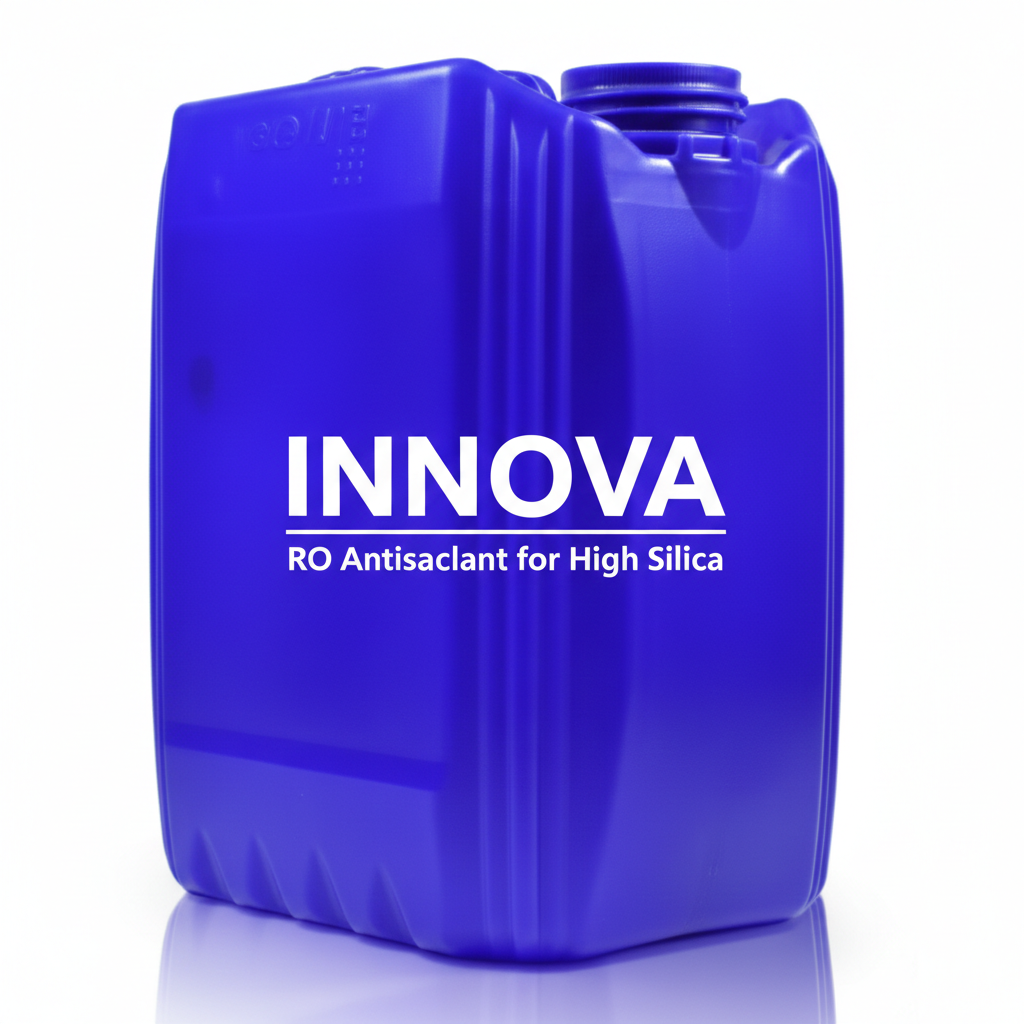
High Silica RO Antiscalant in Kenya for Nakuru Geothermal, Naivasha Lake & Nairobi Borewell RO (Reactive Silica Inhibitor)
Innova Corporate (India) supplies High Silica RO Antiscalant in Kenya for three distinct silica sources — Nakuru geothermal water from the Olkaria field with 100–200 ppm dissolved silica at temperatures above 40°C, Naivasha Lake water with volcanic silica from the Rift Valley at 40–80 ppm, and Nairobi and Eldoret borewell water with moderate dissolved silica at 20–45 ppm. Kenya's Rift Valley volcanic geology makes silica scaling one of the most difficult challenges in RO membrane maintenance. When water is concentrated during RO operation, reactive silica polymerizes into a glass-like deposit on membrane surfaces that standard acid and alkaline CIP chemicals cannot dissolve. Our high-performance formulation is specifically engineered to handle elevated silica levels and metal oxides, keeping your system operational even in the most demanding Kenyan water conditions.
Our high silica RO antiscalant in Kenya is a targeted solution designed to control deposition of inorganic scale. By stabilising silica and preventing its polymerization on the membrane surface, it significantly increases membrane life and reduces unscheduled shutdowns for expensive cleaning operations. It is exceptionally effective for Kenyan water with an LSI up to +2.5, iron up to 1.5 ppm in reject, and silica levels up to 325 ppm (mg/L) in reject. Nakuru geothermal power plants, Naivasha flower farms, and Nairobi bottling plants rely on this formulation to control silica at high recovery rates.
Kenya Silica Sources — Rift Valley & Highland Water Chemistry:
| Kenyan Region | Silica Source | Silica Level | Temperature |
|---|---|---|---|
| Nakuru (Olkaria) | Geothermal water | 100–200 ppm | Above 40°C |
| Naivasha | Lake (volcanic) | 40–80 ppm | Ambient |
| Nairobi | Borewell | 20–40 ppm | Ambient |
| Eldoret | Western groundwater | 25–45 ppm | Ambient |
| Mombasa (Changamwe) | Coastal groundwater | 30–60 ppm | Ambient |
Key Features & Strategic Benefits for Kenyan Geothermal & Highland RO:
- Critical Silica Control: Prevents complex silica-based scales that are often irreversible in Nakuru geothermal and Naivasha Lake RO systems.
- High-Temperature Stability: Maintains performance in Olkaria geothermal water above 40°C where standard antiscalants degrade quickly.
- Reactive Silica Polymerization Block: Keeps dissolved silica in solution and prevents polymerization even at high concentration factors in Kenyan high-recovery plants.
- Iron Fouling Sequestration: Effectively manages high iron content in Eldoret and western Kenya groundwater to prevent red-brown membrane staining.
- Optimised Recovery: Allows higher water recovery rates even with high TDS and silica concentrations in Kenyan municipal and industrial RO systems.
- Membrane Compatibility: Safe and compatible with all major brands of Polyamide, TFC and NF membranes used in Kenya.
- Environmentally Responsible: Completely organic and biodegradable formulation, meeting NEMA discharge guidelines.
- Maintenance Reduction: Drastically reduces the frequency of chemical cleanings and element replacements in Kenyan plants — from 4 weeks to 3 months at Olkaria.
Industries We Serve Across Kenya:
Geothermal Power (Nakuru, Olkaria): Geothermal cooling water RO uses high silica antiscalant for 100–200 ppm silica at above 40°C — the most challenging silica application in Kenya.
Cut Flower Farms (Naivasha): Flower farms use high silica antiscalant for irrigation water RO with 40–80 ppm volcanic silica from Lake Naivasha, meeting EU export residue standards.
Bottling & Beverage (Nairobi, Thika): Bottling plants use silica antiscalant for process water RO with 20–40 ppm borewell silica, ensuring consistent beverage quality.
Dairy & Grain Processing (Eldoret): Dairy and grain processing plants in Eldoret use silica antiscalant for western Kenya groundwater with combined silica and iron content.
Municipal Water (Rift Valley Towns): Municipal RO plants in Nakuru, Naivasha and Rift Valley towns use DVGW-style potable-grade silica antiscalant for community water supply.
Tea & Coffee Processing (Kericho, Nyeri): Tea and coffee factories use silica antiscalant for highland process water RO with moderate silica and iron content.
Why Silica Needs Different Treatment Than Other Scales in Kenya:
| Parameter | Calcium / Sulfate Scale | Silica Scale |
|---|---|---|
| Nature | Crystalline, removable by acid | Amorphous, glass-like, very hard |
| CIP Removal | Low pH cleaner dissolves effectively | Difficult; needs warm high pH + extended soak |
| Best Strategy | Prevent + remove during CIP | Prevent polymerization before it starts |
| Kenya Relevance | Nairobi and Mombasa hard water | Nakuru geothermal, Naivasha Lake, Rift Valley borewell |
Dosage & Application Guidelines for Kenya:
High silica RO antiscalant should be dosed directly into the feed water line after pretreatment. Standard dosage ranges from 2 ppm to 20 ppm, depending on calcium hardness, iron, TDS and silica content at your Kenyan facility:
- Nairobi & Thika Borewell (Moderate Silica 20–40 ppm): 2–4 ppm is sufficient for alkalinity and hardness control at 70–75% recovery.
- Naivasha Lake Water (Volcanic Silica 40–80 ppm): 4–8 ppm for silica control at 65–70% recovery, meeting EU flower export standards.
- Nakuru Geothermal (High Silica 100–200 ppm): 8–12 ppm for full silica inhibition at 60–70% recovery in high-temperature geothermal cooling water.
- High Iron (0.5–1.0 ppm): Increase dosage by 5–7 ppm to stabilise against Eldoret and western Kenya iron-rich groundwater.
- Extreme Silica (Up to 325 ppm): A dosage of approximately 10–15 ppm is recommended for full inhibition in the reject stream.
- Dilution: Always dilute with RO permeate water, not raw water, before dosing.
- Monitoring: Track silica, LSI, iron, differential pressure and permeate flow weekly to confirm effectiveness.
Common Silica Problems in Kenyan Geothermal, Lake & Borewell RO Systems:
Nakuru Geothermal Silica: Olkaria geothermal water contains 100–200 ppm dissolved silica at above 40°C. High temperature accelerates polymerization, forming hard silicate deposits on cooling water RO membranes.
Naivasha Volcanic Silica: Lake Naivasha water carries volcanic silica from Rift Valley geology. Flower farm irrigation RO faces progressive silica fouling at 65–70% recovery.
Nairobi Borewell Silica: Nairobi and Thika borewell water contains 20–40 ppm dissolved silica. Bottling plant RO systems face gradual silica accumulation in the last stage.
Eldoret Combined Silica-Iron: Western Kenya groundwater contains both silica and iron. Combined fouling is more difficult to remove than either alone.
Rift Valley Geothermal Scaling: Geothermal cooling water at Olkaria faces rapid silica scaling due to high temperature. Prevention with high silica antiscalant is the only effective strategy.
CIP Difficulty: Once silica has polymerized, standard acid and alkaline CIP chemicals cannot fully remove it. Prevention with high silica antiscalant is far more effective than removal.
Technical Specifications:
| Appearance | Clear to pale yellow liquid |
| pH (as is) | 10.0 – 12.0 (alkaline) |
| Specific Gravity | 1.08 – 1.18 |
| LSI Tolerance | Up to +2.5 |
| Iron Tolerance (Reject) | Up to 1.5 ppm |
| Silica Tolerance (Reject) | Up to 325 ppm (mg/L) |
| High-Temperature Stability | Effective above 40°C for Olkaria geothermal water |
| Recommended Dosage | 2 – 20 ppm in feed water |
| Certification | NEMA compliant |
| Shelf Life | 12 months in original sealed container |
Frequently Asked Questions (Kenya):
Q: What causes silica scaling in Kenyan RO plants?
A: Silica scaling in Kenyan RO plants comes from three sources: Nakuru geothermal water with high dissolved silica and temperature, Naivasha Lake water with volcanic silica from the Rift Valley, and Nairobi and Eldoret borewell water with moderate dissolved silica.
Q: Why is Nakuru geothermal water especially challenging for RO?
A: Nakuru geothermal water from the Olkaria field contains 100–200 ppm dissolved silica and temperatures above 40°C. High temperature accelerates silica polymerization, making geothermal cooling water RO one of the most challenging applications in Kenya.
Q: How does high silica antiscalant prevent silicate scaling in Kenya?
A: It keeps reactive silica in a dissolved state and prevents polymerization even at high concentration factors. It also maintains an alkaline pH range that reduces silica deposition on RO membrane surfaces.
Q: Which Kenyan industries need high silica antiscalant the most?
A: Geothermal power plants in Nakuru (Olkaria), cut flower farms in Naivasha, bottling plants in Nairobi, dairy and grain processing in Eldoret, and municipal water treatment in Rift Valley towns.
Q: What dosage of high silica antiscalant is recommended for Kenyan RO plants?
A: Typical dosage is 4–10 ppm in feed water. For Nakuru geothermal water with 100–200 ppm silica, dosage may go up to 12 ppm. Our team provides free dosage guidance for Kenyan plants.
Q: Do you supply high silica antiscalant across Kenya's Rift Valley and highland regions?
A: Yes, we supply high silica antiscalant across Kenya, including Nakuru, Naivasha, Nairobi, Eldoret, Thika, Nyeri, Kericho and other Rift Valley and highland regions.
Storage & Handling: Store in original, tightly sealed containers in a cool and dry environment at your Kenya site. Keep away from direct heat and sunlight. As an alkaline product, wear chemical-resistant gloves, goggles and apron during handling. For customised dosing schedules based on your specific Kenya water analysis, please consult our Technical Data Sheet (TDS) or reach out to our technical team.
Related Products: Explore our RO Antiscalant Chemicals for Kenya, Silver Hydrogen Peroxide Disinfectant, and RO Dechlorination Chemicals for a complete RO chemical programme across Kenya.