- 2B / BW Shalimar Bagh, Opp. BQ Market, Near DLF Mall New Delhi - 110088, India.
- :+91-9312-871-070

Manufacturers, Exporters, Suppliers of RO Flocculants Chemicals
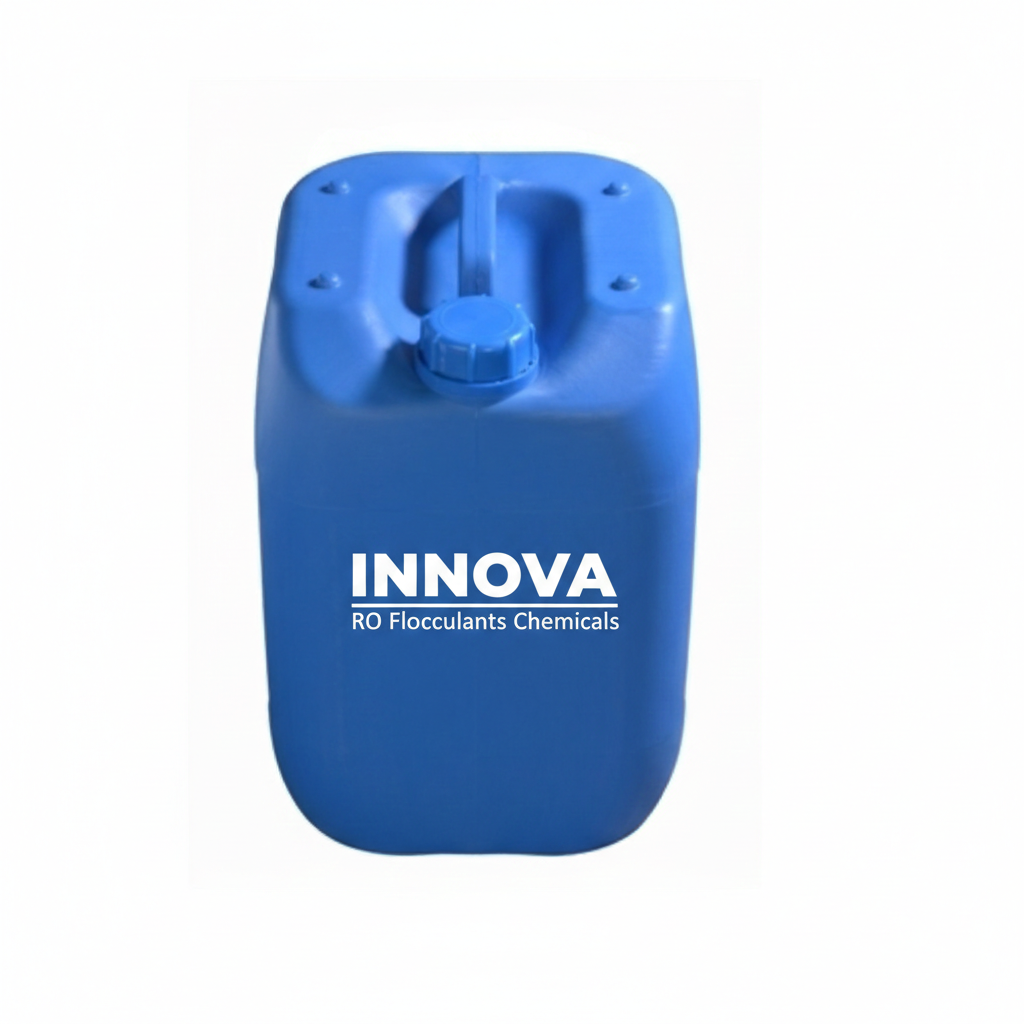
RO Flocculants Chemicals in Oman for SWRO, Mining & Municipal RO Pretreatment (SDI Reduction Polymer)
Innova Corporate (India) supplies RO Flocculants Chemicals in Oman for SWRO desalination plants in Muscat and Barka, mining process water in Duqm, and municipal drinking water RO plants in Salalah and Nizwa. Flocculation is the first line of defence in RO pretreatment — it removes suspended solids, colloidal matter and turbidity from raw feed water before it reaches the membranes. Without effective flocculation, high SDI (Silt Density Index) causes rapid membrane fouling, higher differential pressure and frequent CIP in Omani plants. Our high-purity liquid polymer flocculant reduces SDI to below 3, meeting the industry target for seawater and industrial RO.
Oman's water sources present specific pretreatment challenges — seasonal algal blooms in seawater intakes at Muscat and Barka, iron-rich groundwater in Duqm mining operations, and turbidity spikes during monsoon in Salalah. Our flocculant is formulated to handle these local conditions, aiding the precipitation of iron oxide, mud, algae and other soft foulants. It is fully compatible with all modern RO, NF and UF membrane systems and works effectively alongside coagulants, dechlorination chemicals and antiscalants in a complete pretreatment programme.
Key Features & Benefits for Oman Industries:
- SDI Reduction: Dramatically reduces Silt Density Index of feed water, protecting expensive SWRO and industrial membranes in Muscat, Barka and Duqm.
- Iron & Mud Removal: Highly effective against iron oxide, mud and naturally occurring suspended solids common in Oman groundwater and mining process water.
- Algal Organic Matter Removal: Binds algal organic matter and colloidal particles during red tide and bloom seasons in Oman seawater intakes.
- Filtration Boost: Significantly enhances performance and efficiency of multi-grade filters and sand filters used in Omani pretreatment systems.
- Liquid Precision: Concentrated liquid product that is safe, simple to handle and easier to dose than traditional powder flocculants at Oman industrial sites.
- Membrane Safety: Fully compatible with all types of RO, NF and UF membranes used in Oman industrial and municipal units.
Industries We Serve Across Oman:
SWRO Desalination (Muscat, Barka): Seawater RO plants use flocculant in pretreatment to remove suspended solids and algal organic matter, reducing SDI before the membranes.
Mining Operations (Duqm): Mining process water with high iron and mud content uses flocculant to precipitate suspended solids and protect downstream RO membranes.
Municipal Drinking Water (Salalah, Nizwa): Community RO plants use flocculant during monsoon turbidity spikes and seasonal water quality changes to maintain consistent pretreatment.
Industrial Process Water: Chemical, cement and heavy manufacturing RO plants across Oman use flocculant for consistent feed water quality and reduced SDI.
Flocculant vs Coagulant — Complete Pretreatment Programme for Oman:
| Parameter | Coagulant | Flocculant |
|---|---|---|
| Function | Neutralises particle charge | Binds clumps into large flocs |
| Dosing Point | First — raw water intake | Second — after coagulant |
| Typical Dosage | 5–50 ppm | 0.5–5 ppm |
| Best For | High turbidity, colour | SDI reduction, filter efficiency |
Dosing & Application Guide for Oman RO Pretreatment:
- Dosage Range: 0.5–5 ppm in feed water, depending on turbidity and suspended solids level. Jar testing recommended.
- Injection Point: After coagulant dosing, before media filter and cartridge filter, with adequate mixing time.
- Mixing: Slow mixing (gentle agitation) is essential to allow flocs to form without breaking them apart.
- Dilution: Dilute with RO permeate or DI water to the working concentration before dosing. Never dilute with raw water.
- Monitoring: Track SDI, turbidity and filter differential pressure to confirm flocculant effectiveness.
Common Pretreatment Problems in Oman RO Systems:
High SDI Feed Water: Suspended solids and colloids raise SDI above 5, causing rapid membrane fouling. Flocculant reduces SDI to below 3.
Seasonal Algal Blooms: Red tide and algal blooms in Muscat and Barka seawater intakes introduce organic matter. Flocculant binds and removes it in pretreatment.
Iron & Manganese in Groundwater: Duqm mining and interior borewell water contains dissolved iron that oxidises and fouls membranes. Flocculant aids precipitation.
Monsoon Turbidity Spikes: Salalah and southern Oman experience sharp turbidity increases during monsoon. Flocculant maintains consistent pretreatment quality.
Technical Specifications:
| Appearance | Clear to slightly viscous liquid |
| Type | Anionic / cationic polymer (application dependent) |
| pH (as is) | 5.0 – 8.0 |
| Specific Gravity | 1.00 – 1.10 |
| Recommended Dosage | 0.5 – 5 ppm in feed water |
| Solubility | Fully miscible in water |
| Shelf Life | 12 months in original sealed container |
Frequently Asked Questions (Oman):
Q: What are RO flocculants chemicals used for in Oman?
A: They are used in pretreatment to remove suspended solids, colloidal matter and turbidity from feed water before it reaches the RO membranes. By reducing SDI, they protect membranes in SWRO, mining and municipal RO systems.
Q: Why is SDI reduction important for Oman SWRO plants?
A: Oman SWRO plants in Muscat, Barka and Sohar draw seawater with high seasonal turbidity and algal organic matter. Flocculants reduce SDI to below 3, the industry target for seawater RO.
Q: Which industries in Oman use RO flocculants the most?
A: SWRO desalination plants in Muscat and Barka, mining operations in Duqm, municipal drinking water plants in Salalah and Nizwa, and industrial process water RO systems across Oman.
Q: What is the difference between flocculant and coagulant?
A: Coagulant neutralises the charge of suspended particles so they clump together. Flocculant then binds these clumps into larger flocs that settle or can be filtered out. Both are often used together for optimal SDI reduction.
Q: What dosage of flocculant is recommended for Oman RO pretreatment?
A: Typical dosage ranges from 0.5 to 5 ppm in feed water, depending on turbidity and suspended solids level. Jar testing is recommended. Our technical team provides free dosage guidance.
Q: Do you supply flocculants across Oman industrial cities?
A: Yes, we supply to SWRO desalination, mining, municipal and industrial RO plants across Oman, including Muscat, Barka, Sohar, Salalah, Duqm, Nizwa and Sur.
Expert Support in Oman: Proper flocculation is the first line of defence for protecting downstream membranes. Our technical team provides precise dosing guidelines and comprehensive water analysis for your Oman-based plant — whether in Muscat, Sohar, Salalah, Duqm or Nizwa. Contact us for a free jar test recommendation.
Related Products: Explore our Complete RO Antiscalant Range for Oman, RO Dechlorination Chemicals, and RO Antifoulant for a complete RO pretreatment and membrane care programme.